Blog
Preparing Your Car for a Big Wheel Swap: Suspension, Brakes and Alignment
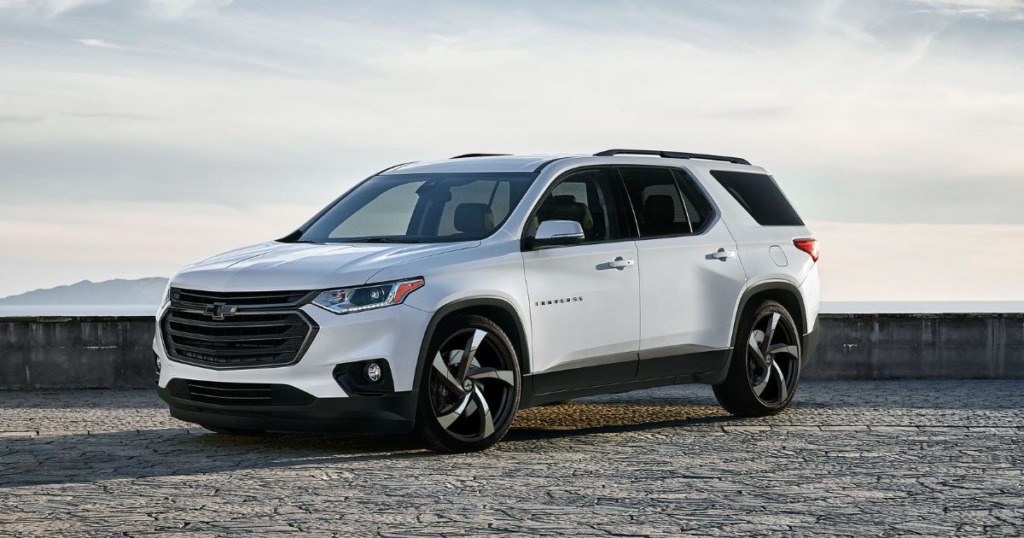
Have you been dreaming of giving your ride that show-stopping, powerful look? The kind of transformation that turns a common street car into a genuine head-turner?
If you’re a custom car enthusiast, the answer is probably yes. And when it comes to maximizing visual impact, nothing beats upgrading to a set of massive, bold rims. But before you make the exciting leap to bigger, bolder wheels, there’s a critical step that every serious builder knows: wheel swap preparation.
Preparing your car for a big wheel swap means more than just choosing a larger rim size. You’ll need to check suspension clearance, ensure your brakes fit properly, and get a precise alignment to maintain safe handling, even tire wear, and ride comfort.
At Azara Wheels, we’re here today to walk you through everything you need to know, guaranteeing your big wheel swap is safe, effective, and delivers that dominating aesthetic you’re after.
What Is a Big Wheel Swap and Why Preparation Matters
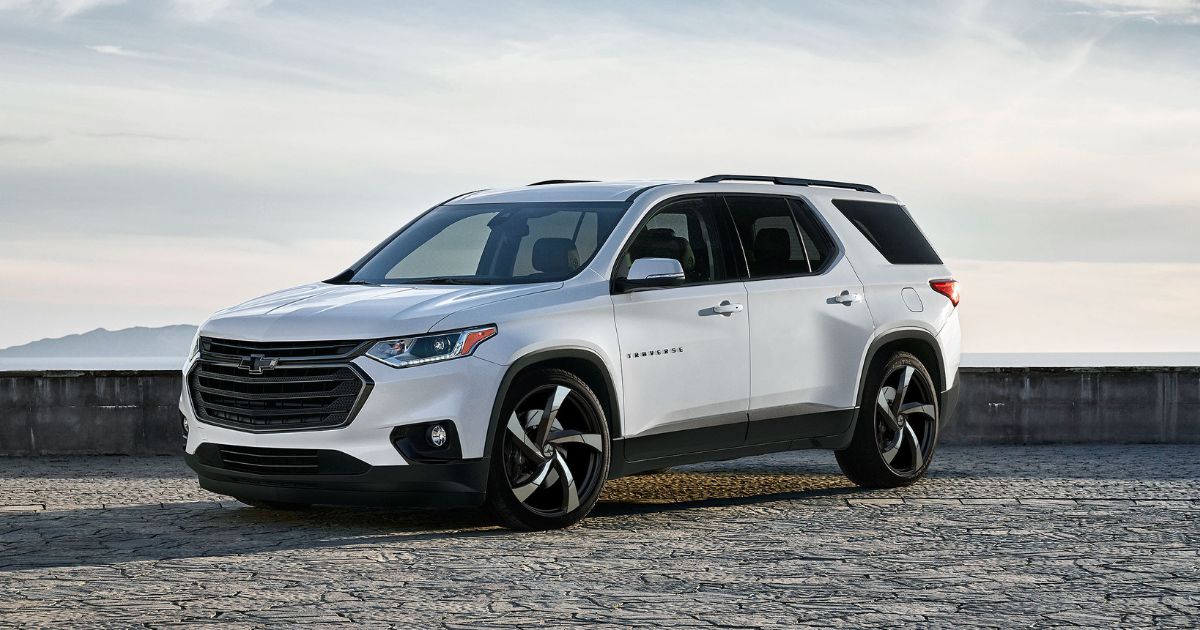
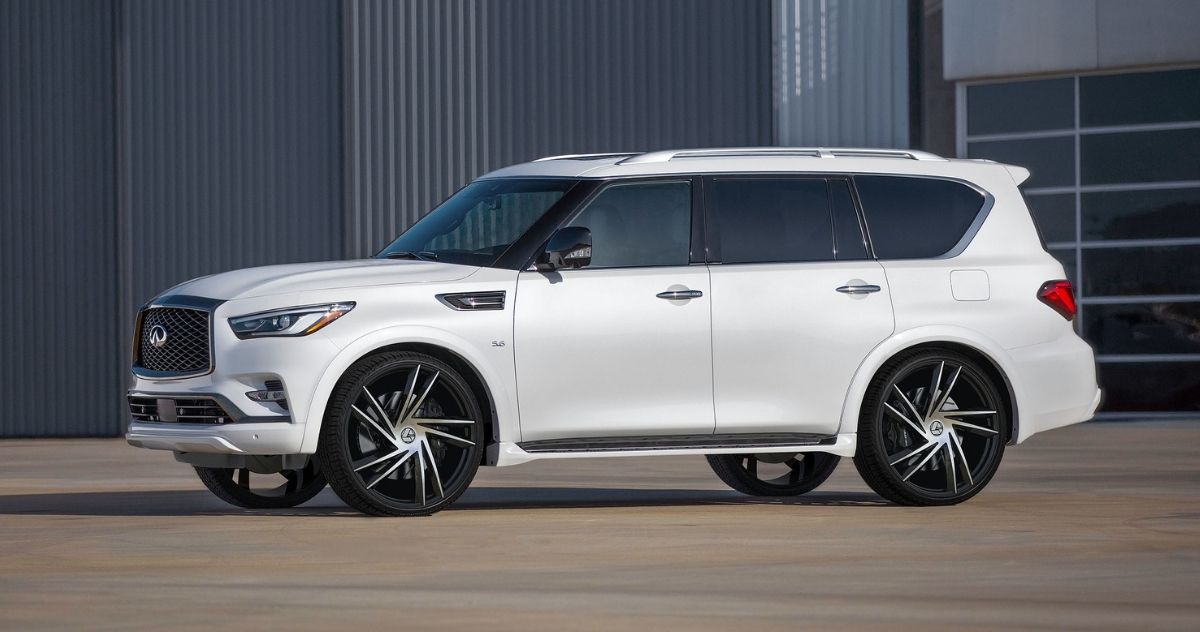
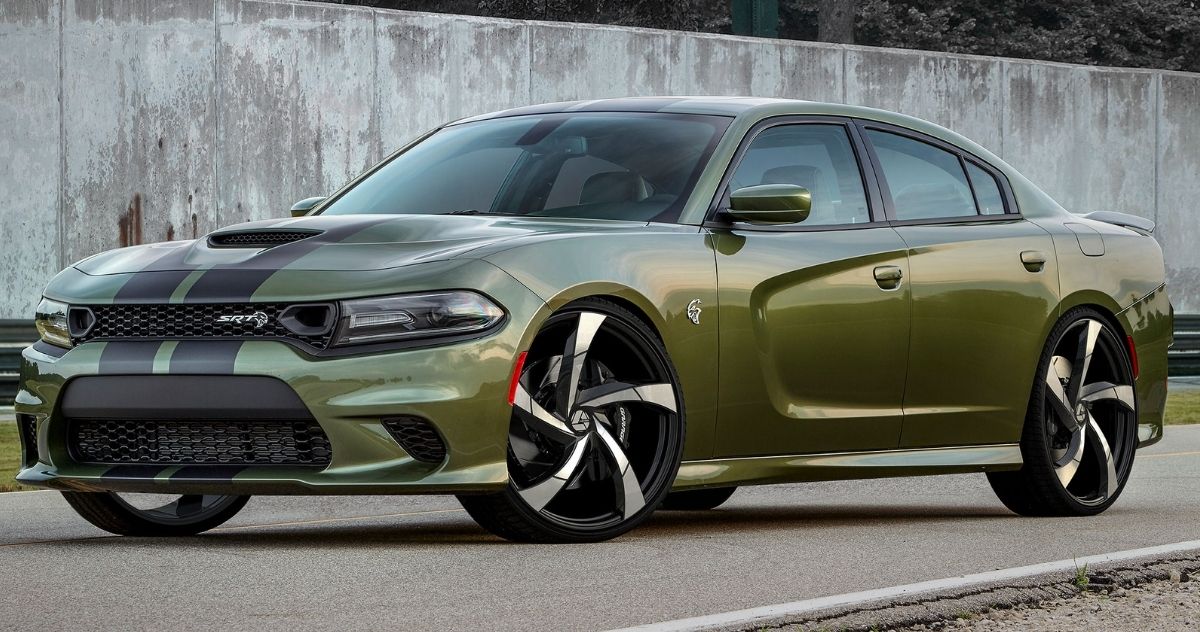
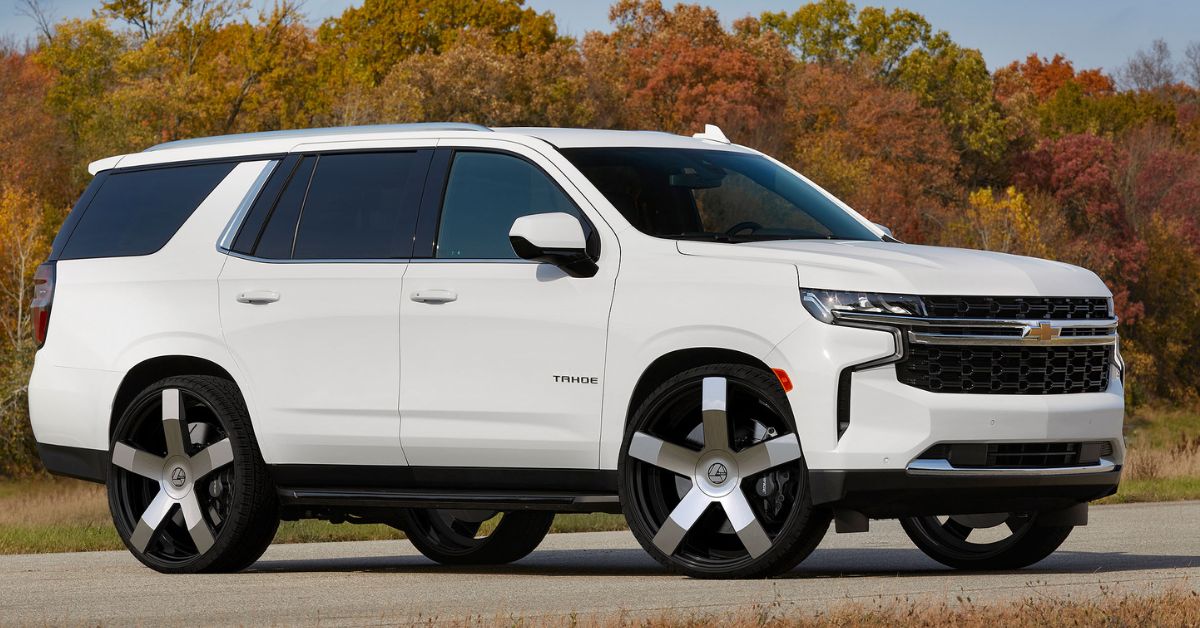
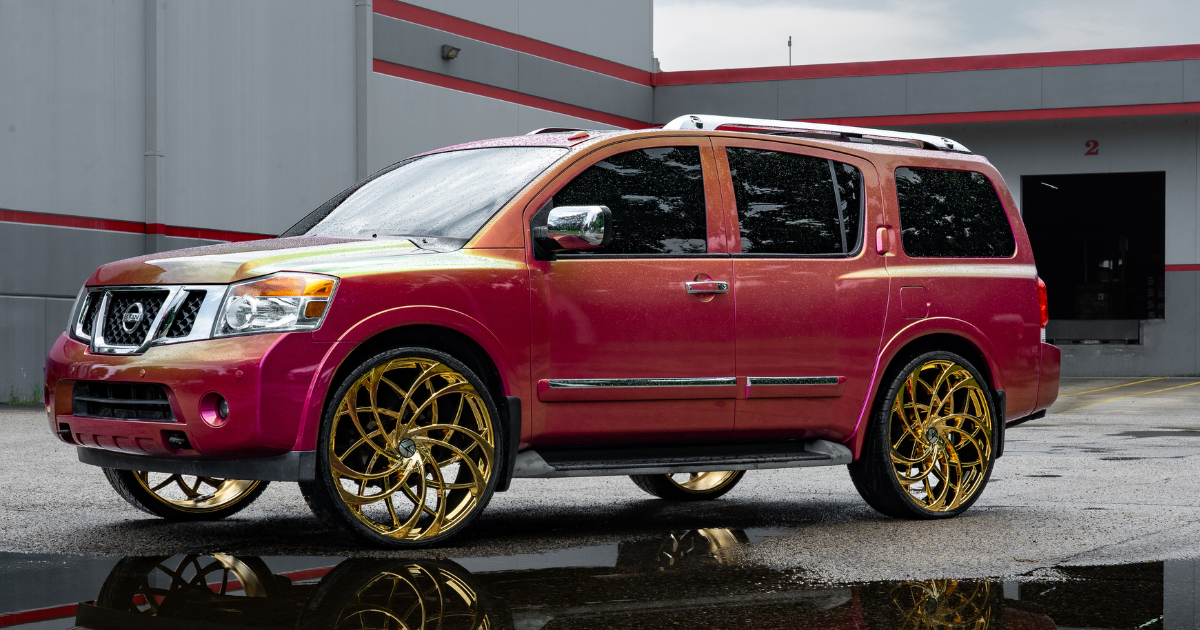
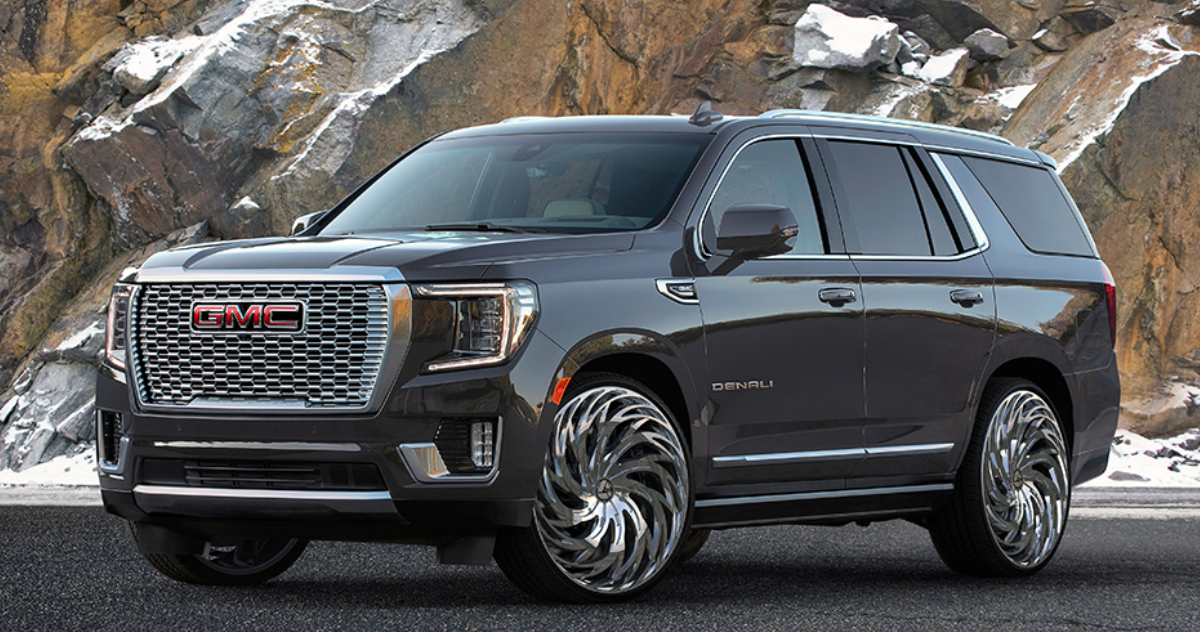
When we talk about a “big wheel swap,” we’re talking about a significant aesthetic leap – moving past your manufacturer’s specs and installing much larger diameter wheels, often hitting 24, 26, or even 30 inches. This is how you achieve that iconic, imposing presence on the street.
So, why are we obsessing over big wheel swap preparation? Because those custom wheels, while stunning, introduce new physics to your car. The moment you increase the wheel’s weight (Unsprung Weight) and change its centerline (Offset), you alter how the car handles.
- Handling & Ride Quality: Your factory suspension can get overwhelmed by the heavier mass, leading to a bouncy, uncontrolled ride.
- Safety & Longevity: Incorrect fitment causes rubbing, which can damage your expensive new tires, fenders, and even lead to premature wear on suspension components like bearings and ball joints.
- Braking Performance: Heavier wheels are harder to stop, requiring more effort from your existing brake system.
How Bigger Wheels Impact Your Car’s Suspension System
Think of your suspension as the unsung hero – all the springs, shocks, and little linkages are precisely tuned by the factory to handle your car’s original setup. When we bolt on those significantly larger, custom wheels, we’re essentially changing the rules of the game. Here’s what shifts under the surface:
- Increased Unsprung Weight: This is the big one. “Unsprung weight” is everything that isn’t supported by your car’s springs (the wheels, tires, brakes). Those massive, heavy custom rims drastically increase this weight. Suddenly, your suspension components have to work much harder and slower to control the wheel, which often translates into a rougher, less predictable ride, reduced grip over bumps, and that unsettling feeling of “floating.”
- Altered Geometry: When you change the wheel’s offset – where the wheel centers itself on the hub – you push the wheel either way out or way in. This dramatically affects your steering feel and how the tire contacts the road when you corner. If our offset is off, you risk the tire rubbing against your fender or liner, especially when you hit a sharp turn or a surprise bump. We need to get this right.
- Reduced Sidewall: To keep the overall size manageable and fit within the fender, we have to use tires with a much shorter, lower profile sidewall. This is great because it makes your steering feel sharper! The downside is that the tire absorbs less road shock, transferring more impact directly to your suspension. This demands components that can handle that extra load while still keeping your ride comfortable.
Suspension Upgrades to Consider Before a Big Wheel Swap
If you’re only bumping up an inch or two, you might manage with minor tweaks. But for serious big wheel swap preparation – especially if you’re rocking 24-inch rims or bigger – we have to be real: targeted suspension upgrades for larger wheels are an absolute must for safety and a decent ride.
- Lift Kits (The “Donk” Approach): Going for those truly massive, aggressive fitments (like 26-inch or 30-inch)? Then you absolutely need a full suspension lift kit. This gives you the maximum clearance between the wheel and the fender. It’s the go-to modification for cars like the Chevrolet Impala and Chrysler 300 so they can properly showcase those dominating wheel sizes.
- Heavy-Duty Shocks and Struts: Your stock parts just can’t handle the extra load of that massive, heavier wheel and tire assembly. Upgrading to performance-focused, heavy-duty shocks and struts (many are adjustable or designed for a lift) gives you the robust dampening force needed to control the wheel bounce and keep your ride stable and smooth.
- Stronger Control Arms and Bushings: All that extra force and geometry change really stresses your existing components. We recommend upgrading to aftermarket control arms and polyurethane bushings. They offer greater strength and a more predictable, tighter suspension response that you’ll feel immediately.
- Coil-Over Systems: If you want total control over your stance, comfort, and performance, you can’t beat coil-overs. This system lets you precisely dial in the ride height and fine-tune the dampening settings, giving you the perfect balance of clearance and handling.
Daily Driving vs. Performance Use: What to Prepare For
The extent of your wheel swap preparation largely depends on your vehicle’s primary use.
| Use Case | Preparation Focus | Key Considerations |
|---|---|---|
| Daily Driving (Street Cruiser) | Reliability, Clearance, Comfort. | Focus on ensuring no rubbing occurs during full lock turns or when carrying passengers. A modest lift kit and heavy-duty OEM-style replacements might suffice. You need clearance for speed bumps and potholes. |
| Show Car/Car Meet (Aesthetic Focus) | Maximum Impact, Stance. | This involves the most aggressive fitments (often 28-inch+). Preparation is centered on large lift kits and often custom bodywork (fender rolling or trimming) to achieve the ultimate aesthetic. Driveability is secondary. |
| Performance Use (Track/Spirited Driving) | Control, Safety, Minimal Unsprung Weight. | While larger wheels look great, true performance drivers aim for the lightest wheel possible and carefully match the offset to maintain factory handling dynamics. Preparation here focuses on high-performance shocks, anti-roll bars, and precision alignment. |
Preparing Your Vehicle Step-by-Step for a Big Wheel Swap
- Measure and Determine Fitment: This is the absolute biggest step – don’t skip it! Use a reliable wheel calculator or, better yet, get a specialist’s opinion to nail down your perfect diameter, width, and, most importantly, the exact offset (ET). We have to confirm the backspacing is right to ensure you clear the brake components and suspension arms.
- Test Fitment is Mandatory: If you can, get a single wheel and tire assembly and test-fit it first. Turn the steering wheel all the way left and all the way right. Check for any rubbing on the inner fender, suspension parts, or the outer fender lip. Pro Tip: Use a jack to simulate suspension compression (like hitting a speed bump) while turning. This checks for dynamic clearance – it’s crucial!
- Install Suspension Upgrades: If you found rubbing or the clearance just wasn’t enough during your test fit, now is the time to install that lift kit, the heavy-duty shocks, or the new control arms you planned for. Once they are in, you need to re-test the clearance before moving on.
- Modify Fenders (If Necessary): If you’re running a seriously aggressive setup, you might need to trim the inner plastic lining or “roll” the outer fender lip to create space and prevent the tire from grabbing. Heads Up: This is a permanent change, so please have a professional handle it to protect your paint and bodywork.
- Install the New Wheels and Tires: Once everything clears, install all four new assemblies. Secure all lug nuts and tighten them precisely to the manufacturer’s specified torque settings. Don’t eyeball this – use a torque wrench.
Brake System Considerations When Installing Larger Wheels
An often-overlooked aspect of big wheel swap preparation is the braking system. Your safety depends on it!
- Brake Clearance for Big Wheels:
The diameter of a massive wheel (e.g., 26 inches) usually isn’t the problem for clearance. The issue is often the design of the wheel spokes and the barrel. When upgrading to big wheels, you might be thinking about upgrading to a high-performance brake caliper (a ‘Big Brake Kit’). You must ensure the wheel spokes clear the caliper housing – this is called caliper clearance. Always check the wheel manufacturer’s brake templates against your intended brake kit.
- Braking Performance Loss:
Bigger, heavier wheels increase the rotational inertia of the vehicle. This means the stock brakes have to work much harder to slow the wheel down, which can lead to brake fade (overheating) and a longer stopping distance.
- Upgrade Recommendation:
If you significantly increase wheel mass, we highly recommend upgrading the braking system. At a minimum, switch to high-performance pads and slotted/drilled rotors to improve heat dissipation. For maximum safety and stopping power, consider a Big Brake Kit with larger rotors and multi-piston calipers – provided they clear the new wheel spokes.
Tire Selection and Load Ratings for Big Wheel Setups
The rubber compound is the only part of your custom build that actually touches the pavement. Picking the right tire for your big wheel swap is absolutely critical – it impacts your safety, how long your tires last, and, of course, the final look.
- Overall Diameter Match: We need to keep the total rolling diameter of the new tire assembly super close to the factory specification (staying within about 3% is the golden rule). This is key because it keeps your speedometer accurate and, more importantly, prevents headaches with complex onboard systems like your Anti-lock Braking (ABS) and Traction Control.
- The Non-Negotiable Load Rating: Since those massive rims (think 28 or 30 inches) require tires with very short sidewalls, those tires have to be built like tanks to handle the high loads. The load rating is that code stamped on the sidewall telling you the max weight a single tire can safely carry. This is crucial as your new tire’s load rating must meet or exceed the original OEM rating.
- Speed Rating: If your primary use is cruising, the speed rating (like V, W, or Z) might not be your top priority, but we still need to make sure the rating is appropriate for what your vehicle is capable of doing.
Alignment Requirements After a Big Wheel Swap
This step is absolutely non-negotiable. Anytime you install new wheels, and definitely after any suspension work, you must get a professional wheel alignment after wheel up. This process corrects the three core angles that dictate how your car handles and how your tires wear: Camber, Caster, and Toe.
- Toe: The Tire Killer. This is the most crucial setting we deal with. Toe is simply how much the front edges of your tires point inward or outward. A big wheel swap can easily throw this off. If the toe is incorrect, it causes immediate, excessive wear on your brand-new, expensive tires and makes your car unstable when driving straight.
- Camber: The Vertical Tilt. This refers to the vertical tilt of the wheel (leaning inward or outward). Changing your wheel offset dramatically impacts this angle. Too much camber, either way, will cause one side of your tire to wear down unevenly and quickly.
- Caster: Stability and Feel. This is the forward or backward tilt of the steering pivot. It mainly affects how heavy the steering feels and how strongly the wheel wants to straighten itself out after a turn.
Even a tiny change in wheel size or offset introduces adjustments that get magnified by that large wheel diameter. You have to get a 4-wheel alignment immediately after the swap. We always recommend seeking out a performance alignment shop that specializes in modified vehicles; they have the expertise and precision tools to dial in the settings perfectly for your new custom setup.
Steering and Handling Changes You Should Expect
Your vehicle will feel different after a successful big wheel swap preparation – and that’s a good thing! You should anticipate and embrace these changes:
- Sharper Steering Response: The short sidewall tires necessary for big wheels flex less, transmitting steering input to the road more quickly. The steering will feel more immediate and responsive.
- A Slightly Firmer Ride: Since that thinner tire sidewall isn’t soaking up much impact anymore, your suspension components take on more of the workload. Even with new, upgraded shocks, you’re going to feel those smaller road imperfections more clearly. Consider this the necessary trade-off for achieving that absolutely stunning, show-ready look.
- Altered Turning Radius: Depending on the width and offset you chose, your turning radius might change a little – either getting slightly tighter or slightly wider. You’ll just need a minute or two of driving to get the new feel, especially when you’re parking or navigating tight city corners.
How Azara Wheels Are Engineered for Larger Fitments
We’ve seen the beautiful builds, and we’ve also seen the costly mistakes. Don’t let impatience ruin your perfect setup. Steer clear of these common pitfalls:
Mistake #1: Guessing the Offset
Never, ever guess this measurement. An incorrect offset is the number one reason for issues: too little offset, and your tire rubs the fender; too much, and it hits your suspension parts. Use professional measuring tools or pay a specialist for their guidance – it saves you major money down the road.
Mistake #2: Ignoring the Load Rating
We covered this, but it bears repeating: an under-rated tire is a dangerous failure waiting to happen. This is especially true on large, heavy SUVs like the Lincoln Navigator or Cadillac Escalade. Don’t compromise safety for style; always meet or exceed the OEM load spec.
Mistake #3: Skipping the Alignment
We are calling this out again because it’s non-negotiable! If you skip the wheel alignment after wheel up, you are guaranteed to destroy your expensive new tires in a matter of weeks and ruin your car’s handling. Just book the appointment.
Mistake #4: Not Checking Dynamic Clearance
Checking clearance when the car is just sitting there isn’t enough. You must check it while the suspension is compressed (simulating hitting a big dip) and the steering is turned to full lock. Static clearance lies; dynamic clearance is the truth.
When to Consult a Professional Before Upsizing Wheels
Seeking professional guidance is an investment in your safety and the longevity of your custom build. We encourage the DIY spirit, but some aspects of big wheel swap preparation require professional experience and specialized tools. You should always consult a specialist or a reputable automotive customization shop if:
- You Plan to Install a Lift Kit: Lift kit installation requires expertise in modifying suspension geometry.
- Fender Rolling or Trimming is Required: These permanent body modifications must be executed precisely to avoid damaging the paint or weakening the body panel.
- Your Vehicle Uses Complex ABS/Stability Control: Modern vehicle systems can be highly sensitive to diameter changes. A specialist can advise on necessary recalibration.
- You Cannot Find a Guaranteed Fitment: If you are running an extremely aggressive setup, a shop can use their advanced fitment tools to ensure zero rubbing.
Final Thoughts: Is a Big Wheel Swap Worth It?
If your goal is to truly stand out, command attention, and elevate your ride into a certified head-turner, then absolutely – a big wheel swap is 100% worth the effort. There’s simply no better way to signal that you live loud and drive bold than with a dominating, oversized wheel setup.
But keep in mind that this enthusiasm must be supported by thorough planning. You can make sure that your investment pays off in two ways by investing time and money on the necessary suspension, braking, and alignment preparation: stunning appearances and solid, dependable performance.
We want you to have the strong confidence that only a perfectly constructed construction can provide when you eventually install your enormous, custom-finished Azara Wheels and drive off.
Ready to stop dreaming and start dominating? Don’t wait – contact us at Azara today and find the bold, statement-making fitment that will transform your ride!