Blog
Choosing the Right Lug Nut Types for Large Wheels: A Complete Guide

Choosing the right lug nut types for large wheels starts with matching the proper seat style, thread size, and material strength to your wheel and vehicle. Oversized wheels have deeper lug pockets and carry more weight, so the hardware needs to provide secure clamping without damaging the wheel. By selecting the correct lug nut shape and size, and ensuring it’s made from strong, reliable materials – you keep your big wheels safe, stable, and properly fitted.
Your lug nuts are the single point of contact holding hundreds of pounds of spinning metal and rubber onto your vehicle. When you install massive wheels – especially with the unique hub geometry and deep bores found on many of our largest rims – you need hardware that is up to the task.
At Azara Wheels, we believe that picking the right lug nut type, size, thread, material, and seat type isn’t just about avoiding a flat tire; it’s about protecting your investment and ensuring your ride is street-strong and dependable. Let’s dive into everything you need to know to make your large wheels look great and stay securely right where they belong.
Do All New Cars Come With Locking Wheel Nuts?
No. Not all new cars come with locking wheel nuts as standard. Many manufacturers include them, especially on luxury cars, performance vehicles, and models with alloy wheels, since these wheels are often targeted by thieves. Brands like BMW, Audi, and Mercedes-Benz commonly equip their cars with locking wheel nuts for added security.
However, entry-level cars, budget-friendly models, and vehicles with steel wheels may not have them, as these wheels are less valuable and less likely to be stolen. If your car doesn’t come with locking wheel nuts, you can always purchase a set separately to improve your wheel security.
What Lug Nuts Actually Do?
Before we get into the custom options, let’s briefly cover their job description. Lug nuts are small, but they are mighty. Their primary purpose is to hold the wheel tightly against the rotor or brake drum, keeping the wheel centered and secured to the hub.
When you tighten a lug nut to the specified torque setting, you create tension on the wheel stud. This tension generates a massive clamping force that prevents the wheel from shifting, wobbling, or falling off.
Think of it like this: your lug nuts don’t absorb the vertical weight of the car – your axle does that. What they do is withstand all the lateral forces, the vibration, and the rotational stress every time you accelerate, brake, or hit a bump. With our massive wheel sizes, these forces are significantly higher than on a stock setup, making proper hardware essential.
The Relationship Between Lug Nuts, Studs, and Wheel Load
It’s easy to think the lug nut does all the work, but it’s actually a dynamic team effort involving three parts: the nut, the wheel stud, and the wheel itself. When you torque a lug nut down, you are essentially stretching the stud like a high-strength bolt.
This creates an enormous clamping force that squeezes the wheel and hub together – this force is what truly carries the wheel load and resists movement. With Azara’s massive wheel sizes, the lateral forces are intense, meaning that clamping force has to be perfect.
If the lug nut material is weak, or if you don’t achieve proper thread engagement (at least 6-8 turns), the stud stretches beyond its capacity, which leads to failure. Selecting the right hardware is protecting the entire system from stress.
Why Lug Nut Choice Matters More With Large Wheels?
If you’re rolling on big rims, your choice of lug nut requires extra attention compared to factory setups. There are three main reasons why:
- Increased Leverage and Stress: A massive 32-inch wheel extends much further from the hub than a small stock wheel. This leverage means that every bump, pothole, or corner generates more force on the wheel studs and, therefore, on the lug nuts holding them. You need high-quality finishes and strong materials to handle this constant stress.
- Wheel Aesthetics and Deep Bores: Azara specializes in bold designs with deep central bores to accommodate our unique aesthetic. This often requires extended shank lug nuts or specific tuner styles just to reach the threads properly. Using a lug nut that is too short is a critical safety failure.
- Protecting the Finish: Our customers demand eye-catching wheels with flawless finishes. Standard hex lugs can easily scratch the fresh powder coat or machined surface of your new Azara wheels. Specialized tuner lugs with external drives (like spline or key drives) protect that gorgeous finish.
Common Lug Nut Types For Large Wheels
| Lug Nut Type | Description & Material | Seating Surface | Pros | Cons | When to Use Them |
|---|---|---|---|---|---|
| Acorn (Tapered) | Most common type; steel construction, often chrome or black finish. | Conical / Tapered (60-degree). | Widely available, strong steel construction, easy to install with standard socket. | Can scratch wheel finish; basic appearance. | Factory replacement and basic aftermarket full face wheel designs. |
| Mag / Shank | Features a flat seating surface and a cylindrical extension (shank) that fits into the wheel bore. Includes a washer. | Flat (with Washer). | Needed for specific OEM wheels (like certain Toyota/Honda) and some older aftermarket styles. | Not compatible with conical seat wheels; must use the correct shank length. | When the specific wheel requires a flat seating surface with a shank. |
| Spline Drive | Tuner lug nut requiring a special key (spline socket) for installation. Steel core. | Conical / Tapered (60-degree). | Slim design allows use in tight wheel bores; key drive protects the wheel finish. | Easy to lose the unique key; generally higher cost. | Deep bore Azara designs or when a unique style and protection are key. |
| Extended Thread | Tapered nut featuring an extra length of thread below the cone. Steel core. | Conical / Tapered (60-degree). | Guarantees maximum thread engagement, crucial for safety on thick-flange wheels. | Longer than standard, may not fit all shallow bores. | Massive wheel sizes or heavy-duty applications where maximum engagement is necessary. |
What Lug Nuts Actually Do?
Before we get into the custom options, let’s briefly cover their job description. Lug nuts are small, but they are mighty. Their primary purpose is to hold the wheel tightly against the rotor or brake drum, keeping the wheel centered and secured to the hub.
When you tighten a lug nut to the specified torque setting, you create tension on the wheel stud. This tension generates a massive clamping force that prevents the wheel from shifting, wobbling, or falling off.
Think of it like this: your lug nuts don’t absorb the vertical weight of the car – your axle does that. What they do is withstand all the lateral forces, the vibration, and the rotational stress every time you accelerate, brake, or hit a bump. With our massive wheel sizes, these forces are significantly higher than on a stock setup, making proper hardware essential.
Standard vs. Locking Wheel Lug Nuts: A Quick Comparison
| Feature | Standard Lug Nuts | Standard Lug Nuts |
|---|---|---|
| What They Are | Regular nuts that secure wheels to the car | Specialized nuts with a unique design that require a matching key for removal |
| Design | Simple, uniform shape | Unique pattern, often with grooves or ridges |
| Removal Tool | It can be removed with a standard lug wrench | Needs a specific locking wheel nut key |
| Security | Basic security holds wheels in place | Extra security prevents unauthorized wheel removal |
| Cost | Low-cost, usually included with most cars | Slightly more expensive, typically $20–$100 per set |
| Maintenance | Minimal. Just ensure they are tightened properly | Requires keeping track of the locking key and checking for wear |
| Best for | Everyday cars, budget-friendly vehicles | Cars with alloy wheels, high-theft areas, or added security needs |
Key Factors to Consider When Selecting Lug Nuts for Large Wheels
Don’t buy based on color alone! The security of your big wheels depends on getting these four factors perfectly matched:
1. Seating Surface (The Most Critical Fitment)
The shape of the surface on the lug nut must match the seat of the wheel bore precisely. If they don’t match, the lug nut will not sit flush, the clamping force will be uneven, and the nut will eventually loosen, leading to catastrophic failure.
- Conical/Tapered (60-degree): Used on almost all modern aftermarket wheels, including Azara. The nut tapers down to a cone shape.
- Flat/Mag: Requires a flat surface and usually a washer.
- Ball/Radius: Primarily used on specific European OEM vehicles.
2. Thread Pitch and Size
The thread pitch must match the wheel stud exactly. Your vehicle’s year, make, and model determine the thread size (e.g. 14×1.5 mm or 1/2 inch). Using the wrong thread pitch will instantly strip the threads on your wheel studs, which is a dangerous and expensive fix.
3. Material and Strength
For large, heavy wheels, we strongly recommend high-strength steel. While aluminum lug nuts look cool and are lighter (for racing applications), they are generally not recommended for heavy urban car wheels or high-stress, daily-driven setups due to their lower tensile strength and potential for seizing. Our street-strong standard means choosing durability.
4. Lug Nut Length
For safety, you need at least 6 to 8 full turns when installing the lug nut. This ensures you have adequate thread engagement. Because Azara wheels often have thicker mounting surfaces than stock, you may need an extended thread or extended shank lug nut to achieve this minimum safety standard.
5. Finish & Coating
The finish on your lug nuts matters for two reasons: looks and corrosion protection. Cheaper chrome or zinc coatings can pit, chip, and rust quickly, making your beautiful wheel setup look instantly tacky. Always look for durable, high-quality finishes – like our machined gloss black or gold – that resist chipping and corrosion.
Installing Lug Nuts on Large Wheels: Best Practices
Proper installation is just as important as the correct hardware. Follow these steps to protect your premium wheels and ensure safety:
- Hand Thread Only: Always start threading the lug nuts by hand. If you feel any resistance, stop immediately. Never force it with a power tool, as this means the threads are misaligned.
- Torque in a Star Pattern: This is non-negotiable for evenly distributing the clamping force. Tighten the nuts across the hub in a star or cross pattern (e.g., 1-3-5-2-4).
- Torque to Spec: Always use a calibrated torque wrench. Do not guess! Look up your vehicle’s specific torque specification. Over-torquing can stretch and damage the stud; under-torquing can cause the wheel to come loose.
- Re-torque Check: After driving 50-100 miles, perform a crucial re-torque check. New wheels often settle against the hub, slightly loosening the initial torque. This quick check can prevent major issues.
Lug Nuts and Large Wheels - Why Oversized Rims Change Everything?
Moving up to oversized wheels changes the game for your hardware in a major way. It’s all about leverage. A massive 30-inch or 32-inch rim creates a much longer lever arm than a stock wheel. This means that every single bump, pothole, or cornering force generates significantly greater stress and bending force on the wheel studs.
Suddenly, the quality, material, and length of your lug nuts matter more than ever before. Using standard, shallow hardware on a deep-bore Azara wheel won’t cut it – you need sufficient thread engagement to distribute that high load properly. You invested in the King of Big Wheels; now, invest in the hardware that keeps that crown secure.
Common Mistakes People Make When Choosing Lug Nuts
Protect your investment and your safety by avoiding these common errors we see from even experienced car enthusiasts:
1. Choosing the Wrong Seat Type
If your Azara wheel uses a conical seat (which most do), never use a flat Mag seat lug nut. They won’t engage properly, and the wheel will fail. Always match the seat.
2. Buying Lug Nuts That Are Too Short for Deep Holes
Lug nuts that only engage 2 or 3 threads are an accident waiting to happen. If you have deep-set full face wheel designs, you must use hardware long enough to ensure at least 6-8 full turns of thread engagement.
3. Using Aluminum Lug Nuts on Heavy Wheels
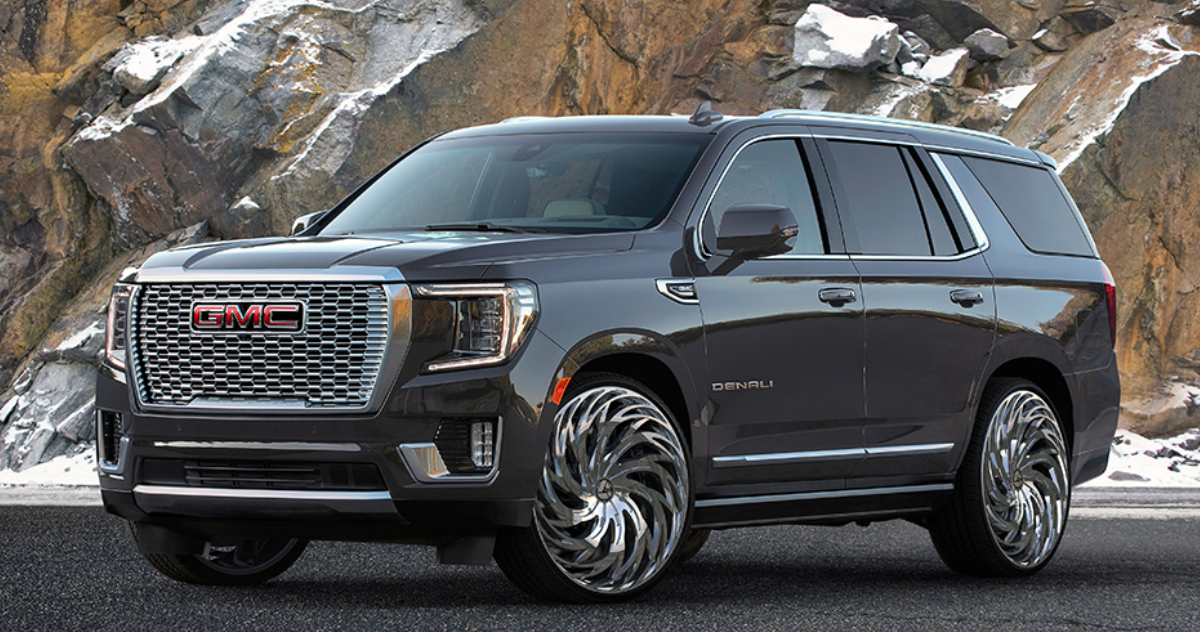
Aluminum lugs are fine for track cars that see frequent maintenance, but they are not reliable for heavy, daily-driven vehicles like your GMC Yukon or Chrysler 300 rolling on large rims. Stick to high-strength steel for longevity and safety.
4. Overlooking Thread Pitch
This is a simple mistake with devastating results. Using a 1.25 pitch nut on a 1.5 pitch stud will strip the threads instantly. Double-check your vehicle’s specifications!
5. Using Old Hardware With New Wheels
If your old wheel used a Mag seat and your new Azara wheel uses a Conical seat, you must throw out the old lugs. Even if they are the same type, new lug nuts are a cheap investment for protecting your valuable big rims.
6. Forgetting About Socket Fitment
Nothing hurts more than scratching a new chrome wheel finish on installation. If you are using standard hex lugs, ensure your socket is the correct size and has a non-marring plastic sheath or is a deep well thin-wall socket, or better yet, opt for a Spline Drive lug nut that uses a key.
Common Misconceptions About Lug Nuts on Large Wheels
We hear a lot of confusing advice out there, especially when it comes to bolting on our big wheels. Let’s clear up the common mistakes we see from even experienced enthusiasts:
Myth: Tighter is Better.
Reality: Wrong! Over-torquing is just as dangerous as under-torquing. It permanently stretches and weakens your wheel studs, leading to potential failure. Always stick to the factory torque spec.
Myth: Aluminum Lugs Are Fine.
Reality: They are not reliable for heavy, daily-driven vehicles like your GMC Yukon rolling on large rims. Aluminum is for lightweight track use; for longevity and safety on urban car wheels, steel is non-negotiable.
Myth: Thread Size is the Only Thing That Matters.
Reality: The seating surface (conical, flat, or ball) is equally critical. If the lug nut seat doesn’t perfectly match the wheel seat, the clamping force is compromised, and the wheel will loosen.
Myth: You Can Re-Use Factory Lugs.
Reality: If your new Azara wheels require a different seat type (e.g. changing from a flat Mag seat to a conical seat), the old hardware is useless. Always buy new lugs that are specifically matched to your custom wheel type.
Maintenance & Care Tips to Make Lug Nuts Last Longer
- Keep Them Clean and Dry: Dirt and moisture promote rust, which weakens the hardware and can lead to seizing. Wipe down the wheel bores and nuts when cleaning your wheels.
- Avoid Grease: Never apply grease or lubricant to the wheel studs or lug nuts unless specifically instructed by the manufacturer. Lubricant drastically changes the friction and leads to dangerous over-torquing when using a torque wrench. Use them clean and dry.
- Replace Damaged Hardware: If a lug nut or stud shows any signs of stripped threads, corrosion, or rounding, replace it immediately. It’s a cheap part that performs a priceless service.
- Hand Start Always: Never use an impact gun to start threading the lug nuts. Always start by hand to ensure perfect alignment.
Final Thoughts: Make Big Wheels Safer and Better
Your Azara Wheels represent the pinnacle of bold design and customization. Don’t compromise that commitment by opting for subpar hardware.
By understanding the difference between seat types, prioritizing high-strength steel, ensuring proper thread engagement, and sticking to your vehicle’s specific torque settings, you ensure that your big wheels are not just eye-catching, but securely and reliably mounted.
Select your hardware wisely, install it correctly, and drive with the confidence that comes from owning the King of Big Wheels.